
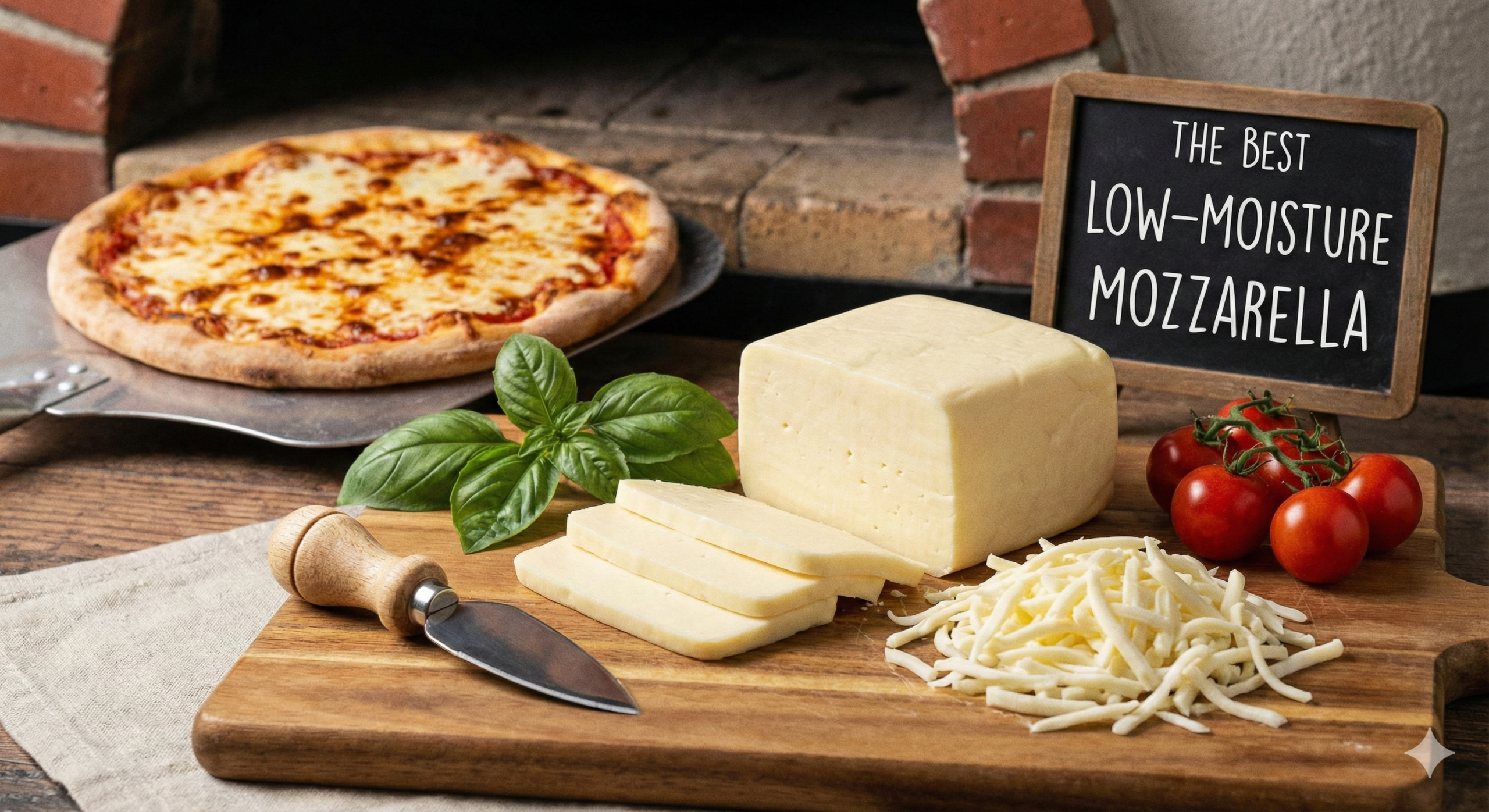
Low Moisture Mozzarella: The Complete Guide to Production, Properties, and Applications
Low moisture mozzarella has become one of the most important cheese varieties in the global dairy industry, with production exceeding all other pasta filata cheeses. Whether you call it pizza cheese or low moisture part-skim mozzarella, this semi-hard cheese variety is essential for commercial food operations and home kitchens alike. In this comprehensive guide, we’ll explore everything you need to know about manufacturing, storing, and utilizing low moisture mozzarella in your dairy operation.
What is Low Moisture Mozzarella?
Low moisture mozzarella is a rennet-coagulated semi-hard cheese that belongs to the pasta filata (stretched-curd) family. Unlike its fresh, high-moisture counterpart that contains 56-65% moisture, low moisture mozzarella typically contains between 45-52% moisture content. This reduced water content gives the cheese distinct characteristics that make it ideal for specific culinary applications, particularly as a pizza topping.
The cheese spans a broad compositional range with fat content typically between 30-50% fat-in-dry-matter (FDM). According to U.S. federal standards, low moisture mozzarella must meet specific composition requirements to carry its official designation.
Key Differences: Fresh vs Low Moisture Mozzarella
Understanding the distinction between fresh mozzarella and low moisture mozzarella is crucial for dairy professionals:
Moisture Content
Fresh mozzarella contains high moisture levels and is traditionally served within a day of production, often stored in brine. Low moisture mozzarella undergoes additional processing to reduce water content, extending its shelf life to up to one month when refrigerated, or even six months when shredded and vacuum-sealed.
Functional Properties
The reduced moisture in low moisture mozzarella creates superior melting characteristics, stretchability, and shredding capabilities. These functional properties make it the cheese of choice for pizza makers and food service operations worldwide.
Storage and Shelf Life
Fresh mozzarella requires immediate consumption or storage in liquid brine. Low moisture mozzarella can be refrigerated in blocks or shredded form, making it more practical for commercial operations and retail distribution.
Manufacturing Process of Low Moisture Mozzarella
The production of low moisture mozzarella involves several critical steps that require precise control of parameters such as pH, temperature, and timing.
Milk Preparation and Standardization
Manufacturing begins with standardizing the milk to achieve the proper casein-to-fat ratio. Since low moisture mozzarella typically requires 30-45% FDM, milk standardization is essential. Producers can achieve this through several methods:
- Adding skim milk powder
- Using condensed skim milk
- Incorporating ultrafiltration milk protein concentrates
- Adjusting with ultrafiltered retentates at concentration ratios of 1.5:1 to 2:1
Acidification and Culture Addition
Pasteurized milk is typically heated to 38-40°C before inoculation with thermophilic starter cultures. Common cultures include Streptococcus thermophilus and Lactobacillus delbrueckii subspecies. The acidification process is crucial for developing the proper pH that allows the curd to stretch during the plasticization phase.
Some producers use preacidification techniques, bringing milk pH to around 6.0 before culture addition, which helps control the acidification rate and improve final cheese properties.
Coagulation and Cutting
After the culture has acidified the milk appropriately, rennet is added to coagulate the proteins. The coagulum is then cut when it reaches the proper firmness and pH (typically around 6.2-6.3). Cutting conditions significantly affect the final moisture content of the cheese.
Cooking and Whey Drainage
The curd and whey mixture is stirred and heated to approximately 40-43°C. This cooking phase helps expel whey and firm the curd particles. Whey is drained when the curd reaches a pH of approximately 5.7, though this can vary based on the specific cheese formulation.
Stretching and Molding
The hallmark of all pasta filata cheeses is the stretching phase. When the curd reaches the proper pH (typically 5.1-5.3), it becomes pliable enough to stretch when heated. The curd is heated to 58-62°C in hot water or dilute brine and then mechanically kneaded and stretched.
This thermomechanical treatment causes protein realignment, creating the characteristic fibrous structure of low moisture mozzarella. The stretched curd is then molded into blocks or desired shapes before cooling.
Salting
Salt can be added during the stretching water or brine, or the formed cheese can be salted through dry salting or brine immersion. Salt content typically ranges from 1.0-1.8% in the final product, contributing to flavor and helping control microbial growth.
Critical Parameters for Quality Control
pH Management
pH control is perhaps the most critical factor in low moisture mozzarella production. The pH affects:
- Moisture retention
- Calcium phosphate solubilization
- Protein structure and functionality
- Melting and stretching characteristics
The pH at whey drainage (around 5.7) and at stretching (5.1-5.3) must be carefully controlled to achieve optimal cheese properties.
Calcium Content
Both total calcium and soluble calcium levels significantly impact cheese functionality. Higher total calcium content generally results in firmer cheese with better shredding properties, while soluble calcium affects the protein network structure and meltability.
Temperature Control
Temperature management throughout production influences:
- Acidification rate
- Whey expulsion
- Curd texture
- Stretching effectiveness
- Final moisture content
Functional Properties of Low Moisture Mozzarella
The success of low moisture mozzarella in commercial applications depends on several key functional characteristics:
Meltability
Meltability refers to the cheese’s ability to flow and spread when heated. Proper meltability is essential for pizza applications. The cheese should melt evenly without excessive oil release or inadequate flow. Factors affecting meltability include:
- Moisture content
- Calcium levels
- pH
- Age of the cheese
- Fat content
- Protein structure
Stretchability
The ability to form extendable strands when melted is a signature characteristic of low moisture mozzarella. This property depends on the fibrous protein structure created during the stretching process and maintained during storage.
Oiling Off
Free oil formation during heating should be controlled. Some oil release is desirable for flavor and appearance, but excessive oiling is considered a defect. The balance depends on fat content, moisture levels, and the protein matrix structure.
Browning
The Maillard reaction during baking creates the appealing golden-brown color on pizza. Low moisture part-skim varieties have low galactose content, which some producers prefer for moderate browning rather than excessive darkening.
Shredding Performance
Commercial operations require cheese that shreds cleanly without excessive fines or clumping. Firmness, moisture content, and temperature all affect shredding characteristics.
Changes During Storage and Ripening
Low moisture mozzarella continues to change during refrigerated storage, with several important transformations occurring:
Proteolysis
Residual starter culture enzymes continue breaking down proteins during storage. This proteolysis affects texture, making the cheese softer, and improves functionality by reducing firmness and melt time.
Moisture Migration
Water gradually moves from serum channels into the protein matrix, causing the casein network to swell. This moisture redistribution typically occurs within the first 20 days of storage and significantly affects cheese texture and functionality.
Functional Development
Most low moisture mozzarella requires aging before optimal functionality develops. Fresh cheese may be too firm and have poor melt characteristics. After 1-2 weeks of refrigerated storage, the cheese typically develops improved flowability, stretchability, and melting properties.
Calcium Distribution
The balance between soluble and insoluble calcium shifts during storage, affecting the protein network’s strength and the cheese’s functional properties.
Applications and Uses
Pizza Industry
Low moisture mozzarella dominates the pizza market due to its superior melting characteristics, moderate oil release, controlled browning, and excellent stretchability. The cheese is typically shredded before application, and its lower moisture content prevents soggy pizza crusts.
String Cheese
Specially formulated low moisture mozzarella is processed into string cheese snacks. These products require specific functional characteristics including:
- Fibrous, peelable texture
- Extended shelf life
- Functional stability during refrigerated storage
- Resistance to flow when heated (for breaded and fried applications)
Foodservice Applications
Beyond pizza, low moisture mozzarella appears in numerous applications including:
- Lasagna and baked pasta dishes
- Sandwiches and paninis
- Cheese sticks and appetizers
- Salads (when cubed)
- Stuffed-crust pizza
- Casseroles
Troubleshooting Common Issues
Excessive Firmness
Causes:
- High calcium content
- Low moisture
- Insufficient aging
- High pH at stretching
Solutions:
- Adjust pH at key manufacturing stages
- Increase moisture retention through processing modifications
- Extend aging time
- Consider milk standardization adjustments
Poor Meltability
Causes:
- Too high calcium-to-protein ratio
- Insufficient proteolysis
- Cheese too young
- Incorrect pH profile
Solutions:
- Optimize pH at whey drainage and stretching
- Ensure proper aging before use
- Check calcium levels and adjust if needed
- Review starter culture performance
Excessive Oiling Off
Causes:
- High fat content
- Low protein levels
- Over-aging
- Improper protein structure
Solutions:
- Adjust milk standardization
- Review stretching parameters
- Use cheese before excessive proteolysis occurs
- Consider fat-to-protein ratio
Short Shelf Life
Causes:
- High moisture content
- Contamination
- Inadequate salt levels
- Poor packaging
Solutions:
- Optimize cooking and stretching to reduce moisture
- Improve sanitation protocols
- Ensure proper salt distribution
- Use appropriate vacuum packaging
Innovations in Low Moisture Mozzarella Production
The dairy industry continues advancing low moisture mozzarella technology:
Ultrafiltration Methods
Using ultrafiltration to concentrate milk before cheesemaking offers several advantages:
- Increased plant productivity
- Higher yield efficiency
- Better component recovery
- Reduced whey disposal challenges
Reduced Sodium Formulations
With health concerns about dietary sodium, researchers are developing low-sodium varieties using:
- Partial substitution of NaCl with KCl
- Optimization of other cheese parameters to maintain functionality
- High-pressure processing to extend shelf life
Alternative Milk Sources
Innovation extends to using non-bovine milks and blends:
- Buffalo milk mozzarella
- Camel milk blends
- Sheep milk varieties
Process Optimization
Modern manufacturing includes:
- Direct acidification alternatives to culture-based production
- Improved automated stretching systems
- Enhanced quality control through real-time monitoring
- Modified atmospheric packaging for extended shelf life
Quality Assessment Methods
Evaluating low moisture mozzarella requires multiple analytical approaches:
Compositional Analysis
- Moisture content (typically 45-52%)
- Fat content (30-50% FDM)
- Protein levels
- Salt concentration
- pH measurement
Texture Analysis
- Hardness testing
- Chewiness evaluation
- Firmness measurements
- Temperature profile analysis
Functional Testing
- Melt tests (Schreiber method or tube test)
- Stretch tests
- Free oil release quantification
- Browning assessment
- Shred performance evaluation
Microstructural Evaluation
- Scanning electron microscopy for protein network visualization
- Confocal laser scanning microscopy for fat distribution
- Light microscopy for general structure assessment
Best Practices for Dairy Producers
Process Control
Maintain strict control over:
- Milk quality and composition
- Acidification rate and timing
- Temperature at all processing stages
- pH at critical decision points (cutting, draining, stretching)
- Stretching temperature and duration
Equipment Maintenance
Regular maintenance of stretching and molding equipment ensures consistent product quality. Modern pasta filata systems require calibration and cleaning protocols that prevent cross-contamination and maintain proper heating performance.
Staff Training
Operators should understand the relationship between process parameters and final cheese properties. Training should cover pH interpretation, troubleshooting techniques, and quality assessment methods.
Record Keeping
Detailed production records enable:
- Trend analysis
- Problem identification
- Quality consistency
- Regulatory compliance
- Customer assurance
Storage and Handling Recommendations
Producer Storage
- Maintain refrigeration at 4°C (39°F)
- Allow appropriate aging time before shipment (typically 7-14 days)
- Monitor temperature throughout cold chain
- Use appropriate packaging to prevent moisture loss
Retail and Foodservice
- Maintain proper refrigeration
- Rotate stock using FIFO principles
- Protect from temperature abuse
- Follow manufacturer’s use-by dates
- Keep shredded products sealed until use
Consumer Education
- Advise on proper storage after opening
- Provide usage guidelines
- Explain functionality differences based on age
- Recommend appropriate applications
Conclusion
Low moisture mozzarella represents a fascinating intersection of traditional cheesemaking art and modern dairy science. Its production requires careful attention to numerous parameters, from milk standardization through stretching and molding. Understanding the relationships between composition, processing conditions, and functional properties enables producers to manufacture consistent, high-quality cheese that meets market demands.
Whether you’re producing thousands of pounds for commercial pizza operations or crafting artisanal varieties for specialty markets, mastering the science and practice of low moisture mozzarella production will enhance your dairy operation’s success. The continued evolution of production techniques, analytical methods, and quality control strategies ensures that this cheese variety will remain central to the global dairy industry.
For dairy professionals using DairyCraftPro to manage production, tracking the critical parameters discussed in this guide will help optimize your low moisture mozzarella manufacturing process and maintain consistent quality batch after batch.
References
- Johnson, M. E., & Lucey, J. A. (2006). Major technological advances and trends in cheese. Journal of Dairy Science, 89(4), 1174-1178. https://doi.org/10.3168/jds.S0022-0302(06)72186-5
- Guinee, T. P., Feeney, E. P., & Fox, P. F. (2001). Effect of ripening temperature on low moisture Mozzarella cheese: 2. Texture and functionality. Le Lait, Dairy Science and Technology, 81(4), 475-485. https://doi.org/10.1051/lait:2001144
- Ayyash, M., Sherkat, F., Francis, P., Williams, R., & Shah, N. P. (2011). The effect of sodium chloride substitution with potassium chloride on texture profile and microstructure of Halloumi cheese. Journal of Dairy Science, 94(1), 37-42. https://doi.org/10.3168/jds.2010-3407
- Bansal, N., Drake, M. A., Piraino, P., Broe, M. L., Harboe, M., Fox, P. F., & McSweeney, P. L. H. (2009). Suitability of recombinant camel (Camelus dromedarius) chymosin as a coagulant for Cheddar cheese. International Dairy Journal, 19(8), 510-517. https://doi.org/10.1016/j.idairyj.2009.03.005
DairyCraftPro is your complete solution for managing cheese and dairy production. Track pH levels, monitor aging schedules, and optimize your manufacturing processes with our comprehensive SaaS platform designed specifically for cheesemakers.